

Lakefront vs. Land Near Dallas: a practical guide for real-life buyers
The Dallas–Fort Worth area puts you within striking distance of big water, quiet acreage, and just about every in-between lifestyle you can imagine. But the decision between a lakefront home and a piece of land (or a home on acreage) isn't only about views—it's about ongoing costs, weekend routines, access, maintenance, and how you want your property to "work" for you. The right choice feels obvious once you compare the day-to-day realities side by side.
If you're weighing these options, it helps to think beyond purchase price. Consider the full ownership picture: insurance and utilities, shoreline or driveway upkeep, HOA rules (or lack of them), distance to essentials, and how often you'll truly use the water. Below is a clear, Dallas-area-focused breakdown to help you choose confidently.
1) Upfront costs: what you pay for "frontage" vs. flexibility

Lakefront typically commands a premium because you're buying a scarce feature: direct water access and view corridors that can't be replicated. Around North Texas lakes, the "frontage factor" often shows up in higher list prices, tighter competition, and fewer comparable properties to anchor value. Even when two homes have similar square footage, the one with true water frontage (not just "near the lake") can price very differently.
Land near Dallas can be more customizable—and sometimes more forgiving on price per "useful" feature. You may spend less upfront for acreage than for shoreline, and you can decide how to allocate budget: fencing, a shop, a barn, a guest house, well/septic (where applicable), or simply preserving open space. The trade-off is that raw land or lightly improved land often requires planning and cash flow for improvements that a lakefront home may already include.
Practical tip: When comparing numbers, separate "purchase price" from "total project cost." For acreage, include driveway, utilities, clearing, and any desired structures. For lakefront, include any immediate shoreline stabilization, dock condition, and flood-related insurance considerations.
2) Ongoing upkeep: water edges vs. wide-open spaces
Ownership costs don't show up only on closing day. They show up on Saturday mornings when something needs attention.
- Lakefront upkeep may include retaining walls or erosion control, dock and lift maintenance, algae management near shoreline areas, and higher humidity-related wear on exterior materials. Some lakes also have rules around vegetation removal, dock modifications, and shoreline work—so "simple" improvements can require approvals.
- Acreage upkeep often means mowing or brush management, fence repair, gate maintenance, pest control, and managing drainage across larger lots. If you're outside city services, you may also be dealing with septic systems, private wells, or propane—each with its own maintenance rhythm.
Neither option is "low maintenance" by default; it's more about the type of maintenance you prefer. If you love the idea of tinkering with a dock and keeping a shoreline tidy, lakefront can be rewarding. If your dream is a workshop, space for animals, or simply privacy with room to roam, acreage upkeep can feel more purposeful.
3) Access and convenience: how often will you actually use what you buy?
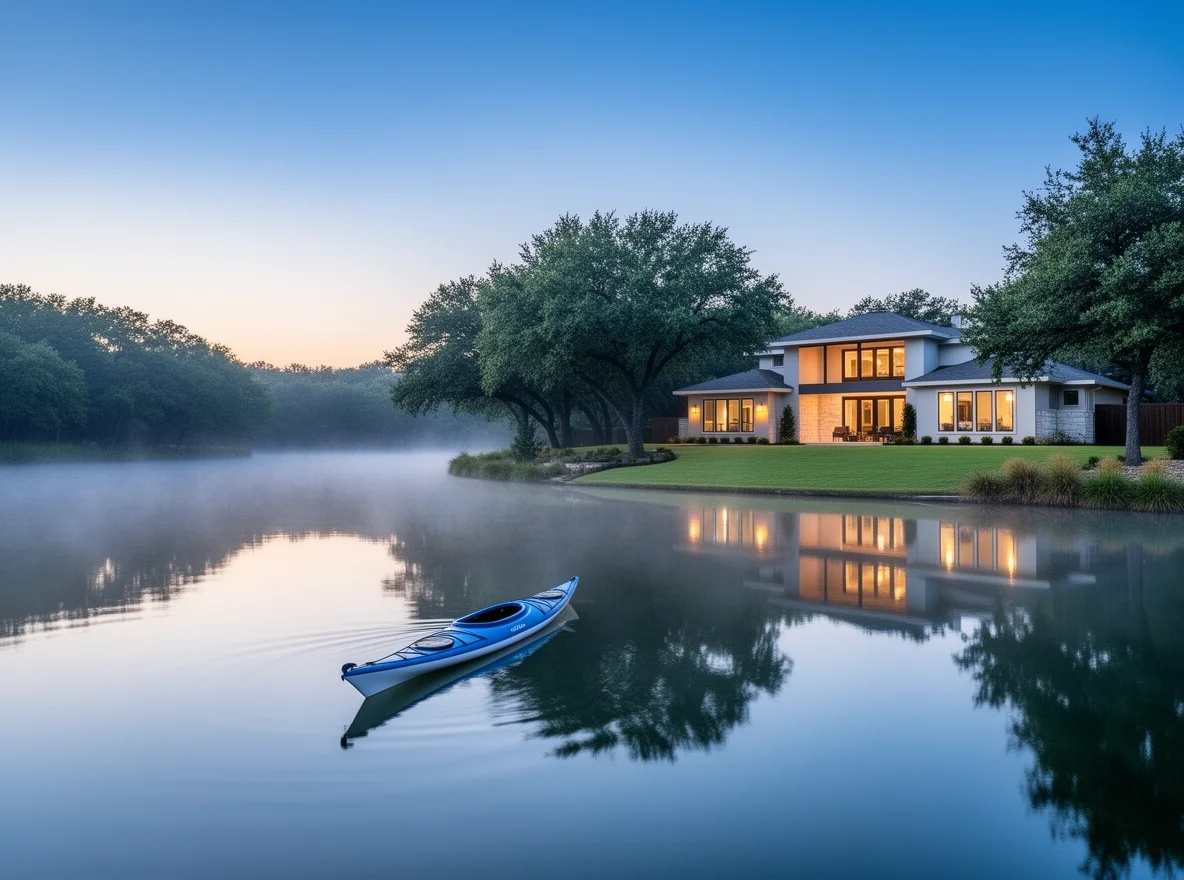
Access can be the silent budget killer—because it affects your time, your fuel costs, and whether you'll use the property the way you imagine. A lakefront home that's 20 minutes farther out than you expected might reduce spontaneous evenings on the patio. Conversely, acreage that's "only 10 more minutes" can feel much longer when you're commuting daily.
Lakefront buyers often prioritize weekend and after-work use: quick boat rides, fishing at dawn, and hosting friends with a view. If you'll be on the water constantly, the premium can be worth it. If you'll only visit occasionally, consider whether a near-lake neighborhood (with community access) could deliver most of the lifestyle at a lower cost and simpler maintenance.
Land buyers should map daily routes: school drop-offs, groceries, medical care, and airport access. The more rural the tract, the more important it is to confirm road quality, emergency services, and reliable internet options. Space is wonderful—until a simple errand becomes a long loop.
Decision lens: Ask yourself, "Will I use the water weekly?" and "Will I enjoy managing a larger property weekly?" Your honest answer usually points to the better fit.
4) Amenities, community character, and schools: what surrounds your property matters
In North Texas, lakefront neighborhoods can range from highly organized communities with HOAs and shared amenities to more eclectic pockets with varied home styles and fewer uniform rules. That difference affects everything from exterior standards to short-term rental limitations to whether you can store a boat or build an outbuilding.
Acreage communities, on the other hand, often feel more private and independent. You may have fewer neighborhood amenities, but you gain autonomy—especially if there's no HOA. For families, school zoning is a major factor in both scenarios. Before you fall in love with a view or a perfect stand of trees, verify the district, campuses, and drive times. The "best" setup is the one that supports your real schedule, not just your weekend fantasy.
5) Market dynamics and resale: scarcity vs. broad appeal
Lakefront property benefits from scarcity: there's only so much shoreline, and demand remains steady for true water access. That can support long-term value, but it also means your buyer pool is more lifestyle-driven. Condition matters: docks, outdoor living spaces, and uninterrupted views often influence perceived value as much as interior finishes.
Acreage can offer broader flexibility because it appeals to multiple buyer types—those seeking privacy, hobby farms, workshop space, or future build opportunities. The key is usability. Level building sites, access to utilities, and sensible restrictions often outperform "pretty but complicated" land. If resale is important, think about what a future buyer will be able to do with the property without needing a major overhaul.
A simple way to choose: match the property to your weekly life
If the goal is a water-centered lifestyle—sunset views, boat-ready weekends, and a setting that feels like a getaway—lakefront near Dallas can be an incredible fit, as long as you budget for shoreline-related upkeep and understand any rules tied to the water. If you want space, privacy, and the freedom to create your own setup over time, land or acreage may deliver more long-term flexibility, especially if you're comfortable managing improvements and maintenance across a larger footprint.
TX Lake & Land RE Group specializes in both waterfront and acreage properties, and we approach the decision as an end-to-end plan: realistic costs, access, restrictions, and how the property will live day to day. If you want help comparing specific lakes, corridors, and land pockets around North Texas, a targeted shortlist and a few smart "what to verify" checks can save you weeks of guessing—and help you buy with confidence.