
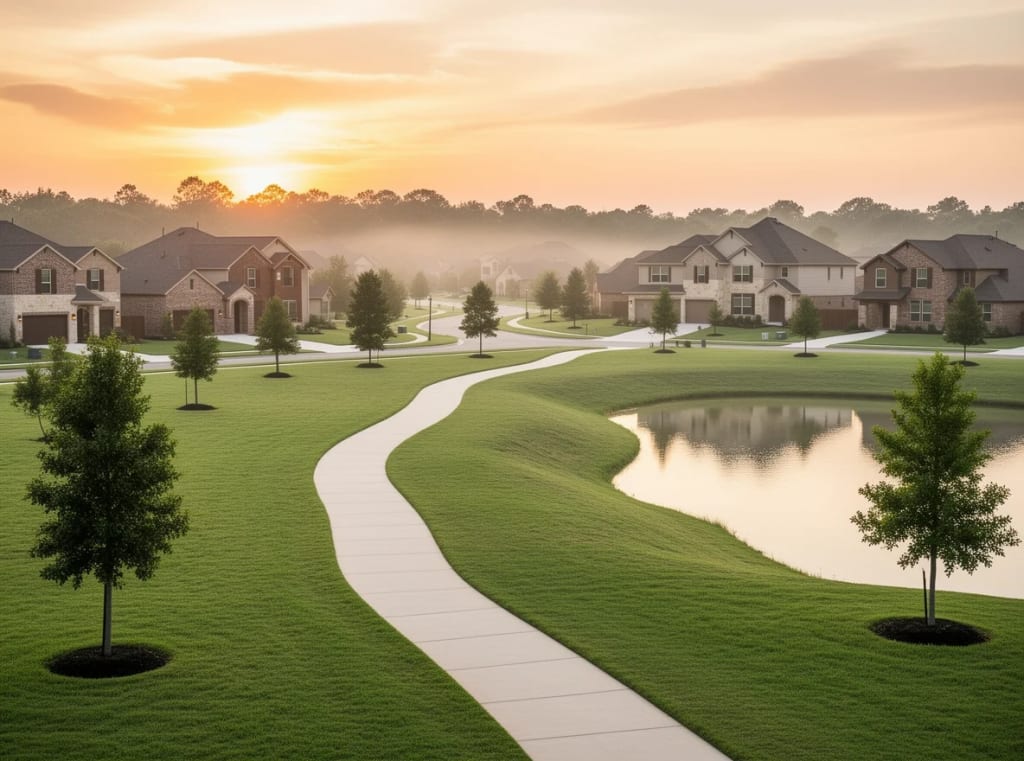
Frisco Commute & Convenience Map: Finding the "Right" Home Base for Your Real Week
Choosing a home in Frisco isn't just about square footage and finishes—it's about how your days actually flow. The best neighborhood for you is the one that quietly makes weekday routines easier: quicker school drop-offs, fewer left turns across traffic, a short hop to groceries, and an evening walk that feels like a reset. When you think in terms of a "commute & convenience map," you start shopping with clarity—because you're matching a home base to your calendar, not a fantasy schedule.
Frisco, Texas sits at a sweet spot in North Texas: close enough to major employment hubs to keep commutes realistic, yet large and dynamic enough to offer multiple "mini-centers" of daily life. That means two buyers can love Frisco for entirely different reasons—one for access to the Dallas North Tollway, another for proximity to schools and sports complexes, and another for a quieter edge near open space. Your goal is to decide which direction your life pulls you most days, then anchor your search around it.

Start with the "three anchors": work, school, and weekend life. If you commute daily, your route matters more than a lot of buyers admit—especially in a fast-growing area where a five-mile difference can feel like a different world at 8:10 a.m. If you're school-focused, you'll care about the drive pattern to campus (and the traffic rhythm around it) as much as the rating. And if your week has a sports-and-activities cadence, you'll want easy access to practice fields, parks, and community amenities without crossing the entire city every evening.
Next, map your "convenience loop"—the places you'll visit most often: groceries, pharmacy, gym, coffee run, and one or two go-to dinner spots. The sweet spot is when those errands live in a tight radius from home so you're not constantly planning around traffic. Many Frisco neighborhoods are designed with this in mind, offering nearby retail corridors and neighborhood amenities that reduce the need for long cross-town trips. Even if you enjoy driving, you'll love not having to.
Finally, consider how you want your home to feel at the end of the day. Some buyers prefer an energetic setting with easy access to community events and activity centers. Others want a calmer edge with larger lots, fewer through-streets, and a little more breathing room. Neither is "better"—but one will fit your week more naturally, and that fit tends to show up as lower stress and more time at home actually feeling like home.
Commute Corridors: Think in Routes, Not Just Miles
In North Texas, commute time is shaped by where you enter the roadway network and when you travel, not just distance. When you tour homes, it helps to test-drive your likely route at the time you'd actually use it—morning drop-off, midday errands, or evening return. A neighborhood that looks "close" on a map can still feel far if your route includes multiple bottlenecks, school zones, or frequent signal stops.
Work-from-home and hybrid schedules change the math. If you only commute two or three days a week, you may prioritize daily convenience over shaving a few minutes off a drive you rarely take. That often leads buyers toward areas with strong neighborhood amenities—parks, trails, community pools—and quick access to everyday services, because those benefits show up seven days a week.
Also consider your "secondary commute": the drive to airports, medical appointments, or regular visits to family across the Metroplex. A home base that supports both your primary commute and those occasional-but-important trips tends to feel like a long-term fit, especially as jobs and schedules evolve.
Quick self-check: What kind of commuter are you?
- Time-protector: wants the most predictable route, even if it's not the shortest.
- Flex-scheduler: can travel outside peak hours and values neighborhood lifestyle most.
- Multi-stop driver: regularly chains errands, school, and activities—needs a tight convenience loop.
- Frequent traveler: prioritizes smooth access to major corridors for airport and regional trips.
Daily Convenience: Schools, Parks, and the Places You'll Actually Use

Convenience isn't just about proximity—it's about how frictionless your routines feel. For many households, schools are the biggest daily driver of neighborhood choice. Even when districts and campuses are strong across the board, the difference between a straightforward route and a stop-and-go, turn-heavy route can add up quickly. If you have kids, it's worth noting where campuses sit relative to major roads and how traffic patterns change during peak pickup times.
Parks and trails are another quality-of-life multiplier, especially in a place like Frisco where outdoor time is a major part of the lifestyle. Access to a nearby trail loop, a shaded park, or a community green space often becomes the "third place" after home and work—a reliable option for an evening walk, a weekend reset, or simply getting outside without turning it into a production.
Dining and entertainment choices also shape how connected you feel to your community. Rather than thinking in terms of a single destination, look for neighborhoods that put you near a variety of options—casual weeknight meals, celebratory spots, and convenient takeout—without requiring a long drive. The more your favorite places fit naturally into your routes, the more you'll use them.
And don't overlook practical needs: medical care, fitness options, and grocery runs. The ideal home base supports your health and time—making it easier to keep routines consistent. In a fast-paced week, that's a bigger luxury than any design trend.
Real Estate Fit: Matching Home Style to How You Live
Once you've defined your "commute & convenience map," you'll notice the housing conversation gets sharper. Buyers who value low-maintenance living may focus on newer builds, efficient floor plans, and neighborhoods designed around amenities. Those who want more space—especially for hobbies, home gyms, or multi-generational needs—often prioritize layout flexibility and storage over being close to everything.
There's also a growing group of buyers who want a little more land feel while staying connected to the North Texas economy. Even if you aren't buying acreage, you might prefer neighborhoods that offer larger lots, quieter streets, and a more private backyard experience. Your best match depends on whether you want your home to be a hub (frequent guests, gatherings, activity) or a retreat (quiet, spacious, restorative).
For anyone drawn to Texas land and waterfront lifestyles, it can be helpful to think longer term: Will you eventually want a weekend property, a place with room for a workshop, or access to water recreation beyond the city? Planning with that "future you" in mind can guide you toward a home base that still makes sense when your priorities shift.
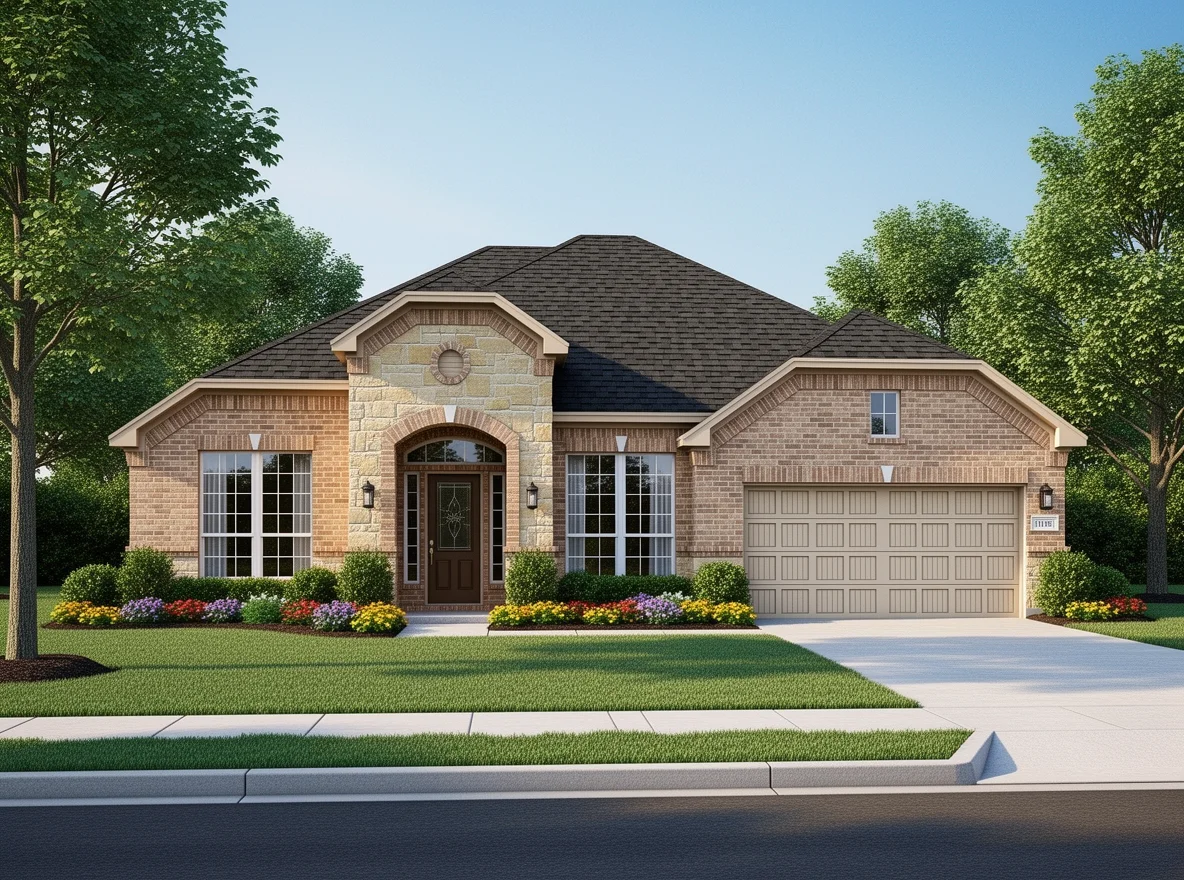
Market tip: In a competitive environment, the homes that "live" well—smart layouts, usable outdoor space, and strong location relative to daily routes—tend to hold attention and value. When you evaluate a property, ask yourself: will this make my Mondays easier? Will it reduce my driving? Will it support the habits I'm trying to keep? Those questions cut through noise and keep you focused on what matters.
If you're unsure where to begin, it often helps to tour a few homes in different commute directions first, then compare how each one felt to drive to and from. Your body usually knows the answer before your spreadsheet does.
Closing Thought: Build Your Search Around Time, Not Hype
The right Frisco home base is the one that quietly supports your week—morning routines, school runs, workouts, errands, and the way you like to spend a Saturday. When you shop with a commute-and-convenience mindset, you're not just buying a house; you're designing a lifestyle that's easier to maintain. If you want help translating your real schedule into a smart home search, TX Lake & Land RE Group can guide you end-to-end—so you can choose a location that fits now, and still feels right as your life grows and changes.