

Plano Pricing Reality Check: What Actually Moves the Needle on Home Value
If you've been watching Plano home prices and thinking, "How can two houses a few blocks apart sell for wildly different numbers?" you're not imagining it. In a market that rewards preparation and punishes overconfidence, value isn't just about square footage—it's about how buyers feel the moment they pull up, walk in, and start mentally moving in. The good news is that many of the biggest price drivers are understandable, measurable, and within your control. The tricky part is separating what truly pays off from what's simply expensive.
Plano sits in that sweet spot of North Texas where buyers expect strong schools, convenience, and polished neighborhoods—and they're willing to pay for it when the home matches the expectation. But buyers are also quick to compare: they've toured newer builds, they've seen renovated interiors on their phones, and they've learned what "move-in ready" looks like. A "pricing reality check" means understanding what buyers will pay a premium for today, what they'll discount heavily, and what improvements are unlikely to return their cost.
1) Location is more than a pin on a map
Within Plano, micro-location matters. Buyers respond to practical patterns: commute routes toward major employers, how quickly they can reach grocery and daily errands, and whether the streets feel calm and established. Being near a greenbelt, park, or trail system can create an emotional "this is home" reaction—especially for buyers who want weekend walkability without sacrificing suburban comfort.
Just as important: subtle negatives can shave value. Homes backing to a busy roadway, with constant traffic noise, or near high-activity corridors often require sharper pricing to compete. Even the direction of the backyard can affect perceived livability in Texas heat, where afternoon sun on a west-facing yard may be a bigger consideration than it sounds in a listing description.
Reality check: You can't change the lot, but you can price to it—and you can stage and market to highlight the best compensating factors (privacy landscaping, upgraded windows, outdoor shade solutions, and thoughtful outdoor living areas).
2) Condition and "move-in readiness" drive the highest premiums
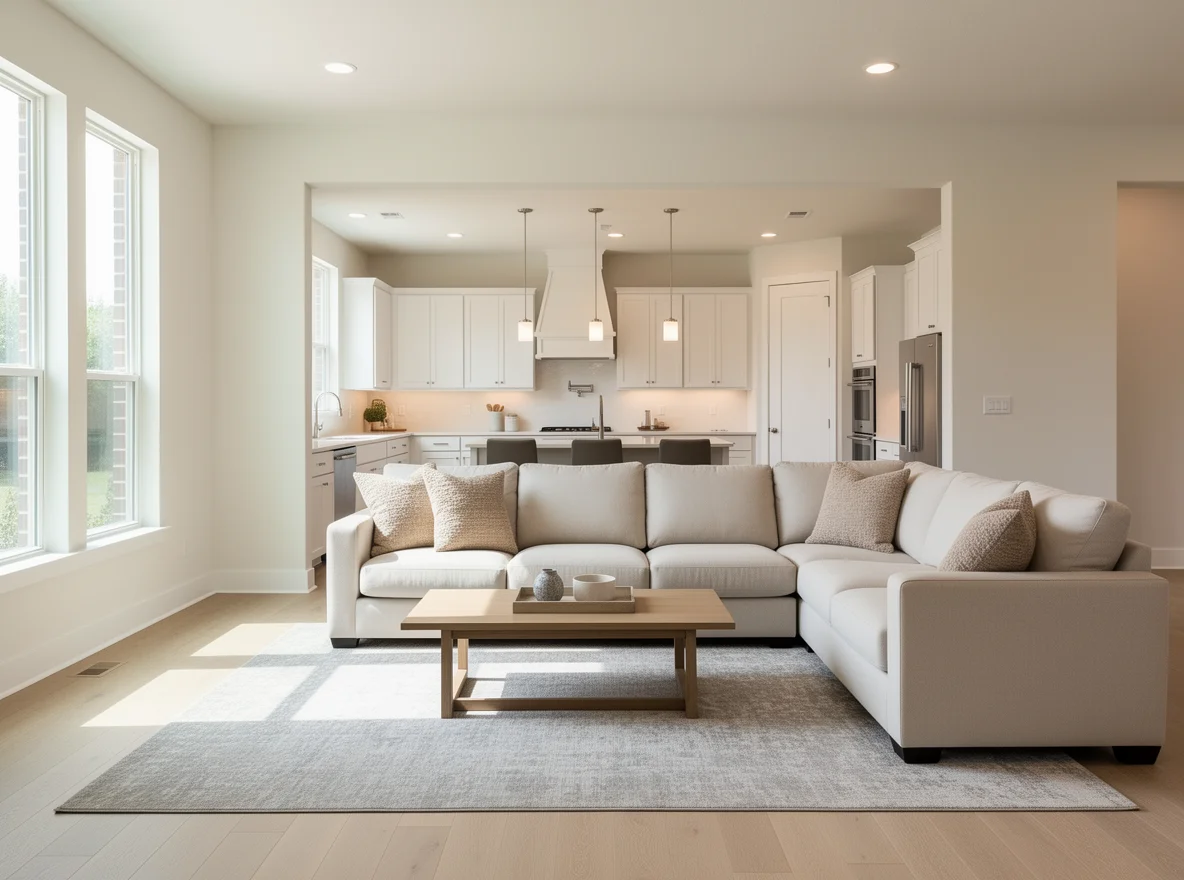
In Plano, many buyers are balancing career and family schedules and would rather pay more than take on a months-long renovation. That's why condition often outranks "nice-to-have" upgrades. Fresh, neutral interior paint, updated flooring in high-traffic areas, modern light fixtures, and a clean, cohesive feel can do more than a single high-dollar project that leaves other areas tired.
Bathrooms and kitchens still matter, but the real needle-mover is cohesion: finishes that make sense together, cabinets and counters that don't clash, and a layout that feels intentionally maintained. If a home has a great kitchen but dated hallway bath fixtures, buyers start calculating "what else is hiding?"—and offers tend to reflect that uncertainty.
Reality check: A well-presented, well-maintained home often beats a partially renovated one. Buyers will forgive "not my style" more easily than they'll forgive "more work than I expected."
The Big Ticket Items: What Buyers Notice (and What Appraisers Support)
Some improvements simply carry more weight because they reduce risk. In North Texas, HVAC age and performance, roof condition, foundation history, energy efficiency, and quality windows can have outsized impact—not always because they're glamorous, but because buyers fear surprise costs. A home with documented service history, recent replacements, and transparent disclosures feels safer, and "safe" tends to sell faster and closer to the top of the range.
Appraisers, meanwhile, are looking for market-supported adjustments. They can recognize remodeling, but they must anchor value to comparable sales. That means a $90,000 renovation doesn't automatically translate to $90,000 in added appraised value. However, a renovation that aligns your home with the best competing listings—and removes major objections—can increase demand and reduce negotiation leverage for buyers, which is where real-world value shows up.
Here's what often "reads" as high value in Plano listings:
- Updated, durable flooring (consistent through main living spaces)
- Modern, functional kitchens (not necessarily luxury—just clean, cohesive, and bright)
- Bathrooms that feel refreshed (lighting, mirrors, fixtures, and clean tile lines)
- Good natural light supported by clean windows and appropriate window treatments
- Storage and utility (organized closets, tidy garage, usable laundry)
Reality check: The goal isn't "the most expensive house in the neighborhood." The goal is "the easiest yes" among the homes buyers are touring at your price point.
3) Layout, bedroom count, and functional space win in the suburbs
Plano buyers often shop with a mental checklist: a primary suite that feels like a retreat, secondary bedrooms that fit real furniture, and flexible areas for remote work or homework. A dedicated office, a second living space, or a loft-style game room can be a deciding factor. And while square footage matters, how the square footage lives matters more—awkward rooms or chopped-up floor plans can feel smaller than they are.
If your home has a quirky feature (a formal living room nobody uses, a dining room that blocks flow, or an underwhelming entry), you don't always need to remodel. Strategic staging can reassign purpose: an unused formal space becomes a library/office, or a small nook becomes a homework zone. When buyers can immediately picture their routines, they become less price-sensitive.
4) Curb appeal and outdoor living influence offers faster than you think
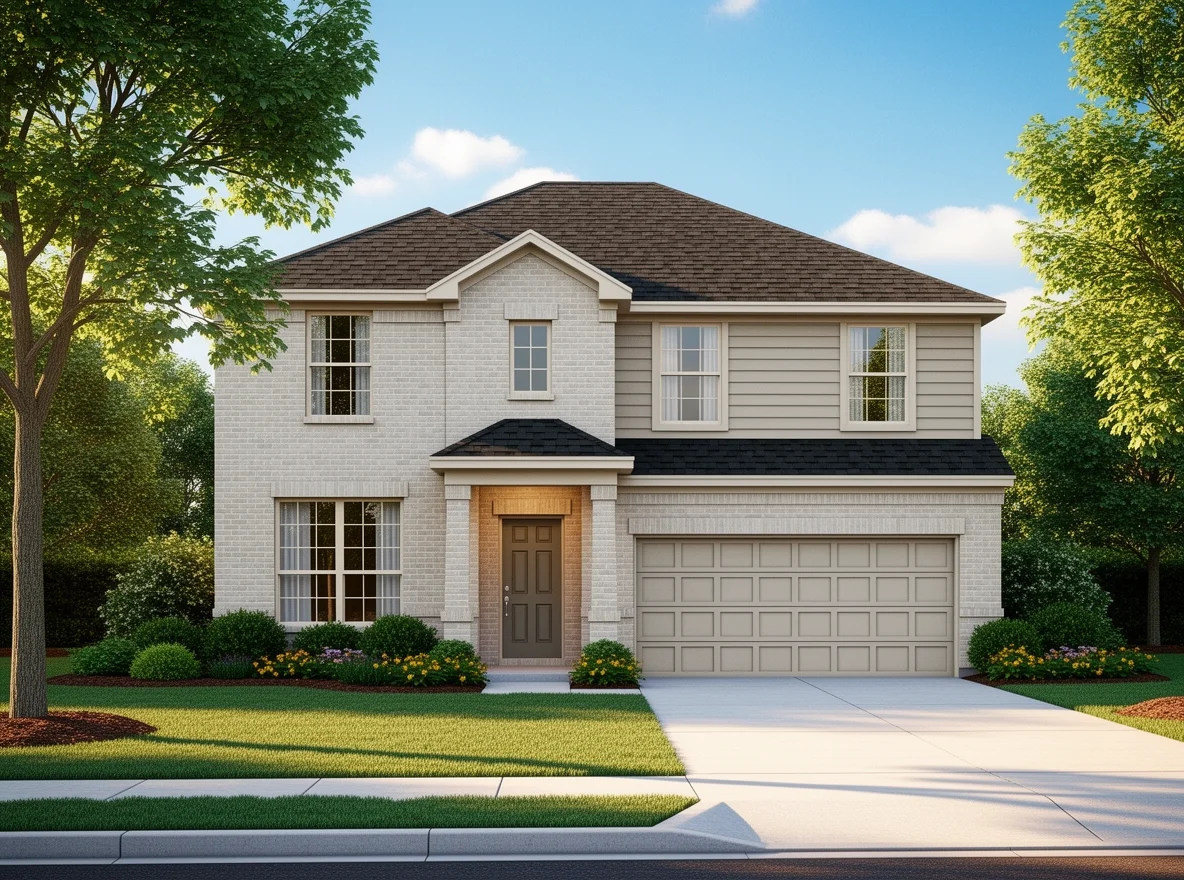
First impressions aren't superficial—they're predictive. Curb appeal signals maintenance. In Plano's established neighborhoods, mature trees and landscaping are a huge asset, but only if they're trimmed and intentional. Clean lines, fresh mulch, a welcoming front door, and healthy lawn edges don't just look good in person; they also photograph well, and photos set the tone for how buyers interpret the price.
Backyards are similarly powerful. A shaded patio, a pergola, or an outdoor seating area can make buyers linger, and lingering creates attachment. Even without a pool, a yard that feels private and "ready for Saturday" often competes strongly against larger but barren lots.
What Usually Doesn't Pay Back (or Needs Caution)
Some projects are great for enjoyment but unreliable for resale—especially if they're highly personalized. Overly bold design choices, niche built-ins, luxury upgrades that overshoot neighborhood norms, or converting garage space can limit your buyer pool. In Plano, many buyers still prioritize parking and storage; losing that functionality can create a discount bigger than expected.
Another common trap is chasing the market with piecemeal upgrades: replacing counters but leaving dated cabinets, updating one bathroom while the others remain original, or installing premium appliances while lighting and paint feel tired. Buyers read these as "half-finished," and half-finished homes invite aggressive negotiations.
- Be careful with ultra-custom finishes unless your neighborhood supports the price level.
- Avoid partial upgrades that make adjacent areas look worse by comparison.
- Don't ignore fundamentals (roof, HVAC, drainage) while spending on aesthetics.
How TX Lake & Land RE Group approaches pricing in a competitive North Texas market
At TX Lake & Land RE Group, pricing isn't a guess—it's a strategy built from neighborhood comps, current buyer behavior, and the specific story your home tells the moment someone steps inside. As a full-service Texas real estate brokerage with deep experience across residential, waterfront, land/acreage, and commercial property, our approach is end-to-end: we help you decide what to fix, what to leave, how to present it, and how to position it so your home stands out for the right reasons. Even when a home isn't on the water or on acreage, the same discipline applies: details matter, and guidance matters.
Plano Lifestyle Factors Buyers Pay For
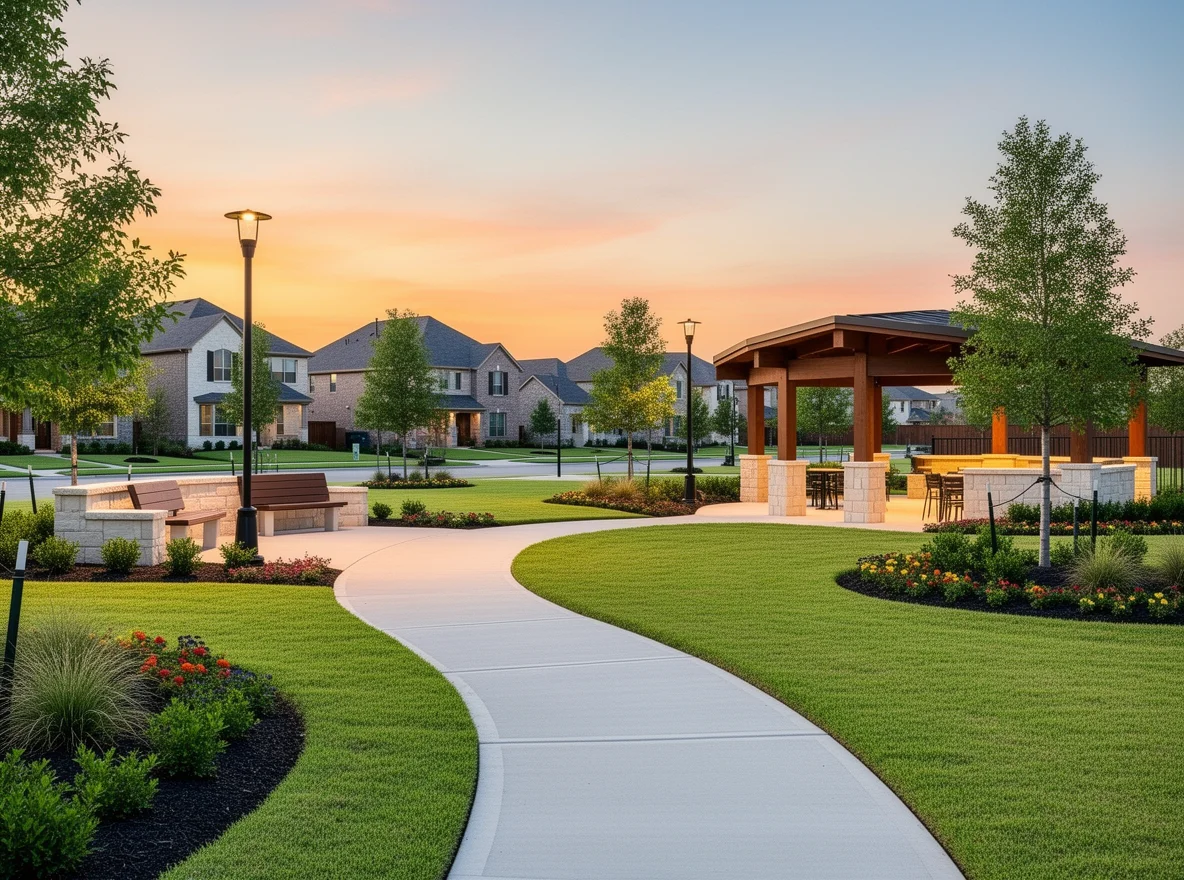
Beyond the house itself, Plano's appeal is rooted in day-to-day livability. Buyers value access to parks and trail networks, strong schools, and a steady calendar of community activities. They also love the convenience: major corridors that connect to the broader DFW economy, plenty of recreation, and an overall sense that neighborhoods are cared for. When those lifestyle benefits align with a home that feels updated and low-maintenance, the market tends to respond quickly.
Dining and entertainment preferences vary, but the pattern is consistent: buyers want options nearby without feeling like they live in the middle of constant traffic. Homes that offer both—quick access when you want it, peace and privacy when you don't—often enjoy stronger demand.
Final reality check: The best pricing strategy isn't about picking a number you hope the market will accept. It's about aligning your home's condition, presentation, and positioning with what Plano buyers are already rewarding. When you focus on the factors that truly move the needle—location nuance, cohesive updates, risk-reducing maintenance, and lifestyle-driven appeal—you don't just sell. You sell with leverage.